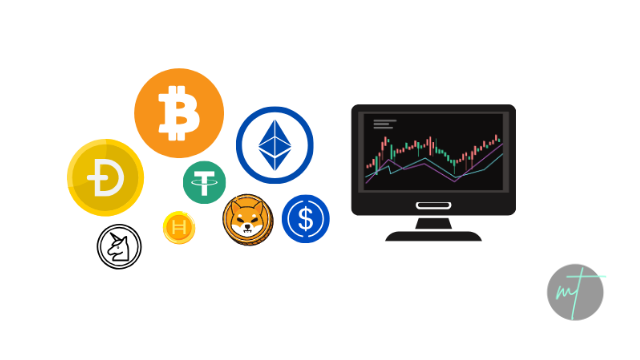
Cryptocurrency has become a revolutionary force in the financial world. From Bitcoin to Ethereum, and from major players like Binance to emerging coins like Catizen, the landscape is evolving rapidly. But with this growth comes uncertainty and challenges, including scams, market volatility, and regulatory concerns. Whether you’re a beginner, an investor, or a crypto enthusiast, understanding the intricate details of the cryptocurrency ecosystem can help you navigate this space effectively.
In this article, we’ll explore the latest trends, tools, and strategies related to cryptocurrency, offering insights into profitable opportunities and critical risks. We’ll cover everything from cryptocurrency scams to how to create your own cryptocurrency, as well as best practices for making money and investing in this space. We’ll also dive deep into cryptocurrency price predictions, trading strategies, and a variety of related topics.
What is Cryptocurrency?
- Cryptocurrency is a decentralized digital or virtual currency that uses cryptography for security.
- Unlike traditional currencies issued by governments, cryptocurrencies operate on blockchain technology, which is a distributed ledger enforced by a network of computers (nodes).
- Bitcoin, the first and most well-known cryptocurrency, was introduced in 2009 by an anonymous entity known as Satoshi Nakamoto. Since then, thousands of alternative cryptocurrencies (altcoins) have emerged, each with its unique features and applications. Ethereum, Binance Coin, and Dogecoin are some of the more popular cryptocurrencies.
Is Cryptocurrency a Bubble?
Many critics argue that cryptocurrency is a bubble, pointing to its extreme volatility and the hype surrounding certain tokens. “Cryptocurrency is a bubble” is a phrase often heard in discussions, and there is validity to the concern. In 2017, Bitcoin reached an all-time high of nearly $20,000, only to crash by 80% in the following year. However, the market has rebounded over time, with new coins and projects continually being launched.
The volatility of cryptocurrency makes it a risky investment. For example, a $230 million cryptocurrency theft occurred in 2024, showing the inherent risks involved in the industry. However, many believe the long-term potential outweighs the risks. Investors have to consider whether the volatility is a temporary market adjustment or a symptom of deeper, structural issues within the space.
How to Make Money with Cryptocurrency
Making money with cryptocurrency is possible, but it requires a clear strategy and understanding of the market dynamics. There are several methods you can use to profit from cryptocurrency:
- Buy and Hold (HODLing): This involves purchasing cryptocurrencies and holding onto them long-term, betting that their value will rise over time. Bitcoin and Ethereum have historically been strong contenders for this strategy.
- Day Trading Cryptocurrency: Day trading is popular among those who have the time and expertise to analyze market movements. You can trade cryptocurrencies like Bitcoin or altcoins in order to capitalize on short-term price changes. The best app for trading cryptocurrency, such as Binance or Robinhood, can assist you in making informed decisions.
- Mining: Mining is the process of using computing power to solve complex algorithms and secure the blockchain network. Mining can be profitable with coins like Bitcoin, though it requires significant investment in hardware and energy.
- Staking and Yield Farming: Some cryptocurrencies offer staking opportunities, where you can lock your coins in a wallet and earn rewards. Yield farming involves providing liquidity to decentralized finance (DeFi) platforms in exchange for interest or tokens.
- Airdrops: Participating in a cryptocurrency airdrop, such as Binance airdrop cryptocurrency, can be a way to receive free tokens. However, it’s crucial to ensure the airdrop is legitimate, as scams are prevalent in the space.
- Invest in Profitable Cryptocurrency Stocks: Some investors prefer to buy shares in cryptocurrency-related companies rather than directly buying coins. Profitable cryptocurrency stocks to invest in might include companies involved in blockchain, mining, or exchanges.
Best Cryptocurrency to Invest In
One of the most common questions for cryptocurrency investors is, “What is the best cryptocurrency to invest in?” The answer depends on various factors, including your risk tolerance, investment goals, and market conditions.
Some of the top cryptocurrencies to consider in 2024 include:
- Bitcoin (BTC): As the first and most established cryptocurrency, Bitcoin remains a popular choice for long-term investors.
- Ethereum (ETH): Ethereum has been the leader in decentralized applications (dApps) and smart contracts. The Ethereum 2.0 upgrade promises to enhance scalability and reduce energy consumption, making it a strong investment option.
- Binance Coin (BNB): As the native token of the Binance exchange, BNB has many use cases, from paying transaction fees to participating in token sales on Binance Launchpad.
- Tao (TAO): A lesser-known but promising cryptocurrency, Tao offers a decentralized ecosystem with a focus on privacy.
- Casper (CSPR): This project aims to improve blockchain scalability and has garnered attention from investors seeking long-term growth potential.
- Catizen Coin: Newer coins like Catizen Coin are gaining traction in the crypto community, with its price to USDT today being an indicator of potential for growth.
Cryptocurrency Scams and How to Avoid Them
The cryptocurrency market is still largely unregulated, making it an attractive target for fraudsters. Cryptocurrency scams are rampant, and many investors have fallen victim to fraudulent schemes. Here are some common scams and how to avoid them:
- Ponzi Schemes: These scams promise high returns on investment but rely on new investors to pay older investors. They eventually collapse when there are no new investors to sustain the payments.
- Phishing Attacks: Cybercriminals use phishing emails or websites to steal your private keys or personal information. Always ensure you are on a legitimate website, and never share your private keys.
- Fake ICOs: Some Initial Coin Offerings (ICOs) are launched with no intention of delivering a working product. It’s important to research the project, team, and technology behind an ICO before investing.
- Rug Pulls: In DeFi and tokenized projects, developers might abandon the project and disappear with the funds raised, leaving investors with worthless tokens.
To safeguard your investments, consider enrolling in a cryptocurrency certification consortium and obtaining credentials as a certified cryptocurrency expert. This can help you better understand the nuances of the industry and make informed decisions.
What to Look for When Reviewing a Cryptocurrency ICO
When reviewing an Initial Coin Offering (ICO), it’s essential to conduct thorough research. Here are some factors to consider:
- Whitepaper: A legitimate ICO should have a clear and detailed whitepaper that explains the technology, use cases, and roadmap for the project.
- Team: The project team should be transparent and have experience in blockchain development, business, and marketing.
- Community: The strength and activity of the community on platforms like Reddit (r/cryptocurrency) and Twitter can provide insights into the project’s credibility.
- Tokenomics: Understanding the supply, distribution, and utility of the token is essential for evaluating the long-term viability of the ICO.
How to Create a Cryptocurrency
Creating your own cryptocurrency might sound daunting, but it’s more accessible than ever. Here’s an overview of how to make a cryptocurrency:
- Choose a Consensus Mechanism: The consensus mechanism determines how transactions are validated. Popular options include Proof of Work (PoW) and Proof of Stake (PoS).
- Design the Nodes: Decide whether you want your cryptocurrency to be centralized or decentralized. This will affect how nodes (computers that maintain the blockchain) interact.
- Establish the Blockchain: You can either create a new blockchain or use an existing one (like Ethereum) to issue your tokens.
- Create the Cryptocurrency: You’ll need to write a code for your cryptocurrency, which includes its name, symbol, total supply, and more. You can use platforms like GitHub for development, and utilize services like cryptocurrency-info7500 for guidance.
- Launch and Promote: After testing your cryptocurrency and ensuring it’s secure, you can launch it and start promoting it to potential investors and users.
Cryptocurrency Taxation
Understanding cryptocurrency taxes is crucial, as they vary by country and can be quite complex. In the United States, cryptocurrency is treated as property for tax purposes, meaning that any profits from selling, trading, or exchanging cryptocurrency are subject to capital gains tax.
A cryptocurrency tax calculator can help you determine how much tax you owe based on your gains or losses. Be mindful of capital gains tax when trading, as it can eat into your profits. For those holding crypto in retirement accounts like IRAs, some platforms now offer options to convert your IRA into cryptocurrency assets, making it possible to grow your crypto portfolio tax-deferred.
Cryptocurrency Security: Cold and Hard Wallets
Security is one of the most important aspects of cryptocurrency ownership. Cold wallets and hard wallets are two of the safest options for storing cryptocurrency. Cold wallets are offline storage solutions, making them less susceptible to hacking, while hard wallets like Ledger or Trezor allow users to store their coins in physical devices, providing an extra layer of protection.
Cryptocurrency Trading Strategies
To successfully trade cryptocurrency, a well-defined trading strategy is crucial. Here are a few approaches:
- Technical Analysis: This involves using chart patterns, indicators, and historical data to predict future price movements.
- Fundamental Analysis: This strategy looks at the underlying factors of a cryptocurrency, such as the team, use cases, and community support.
- Leverage and Margin Trading: Using leverage can amplify your profits, but it also increases the risk. Leverage trading cryptocurrency allows you to borrow funds to trade larger positions, but it can lead to significant losses if the market moves against you.
- Cryptocurrency Contract Signals: Many traders use contract signals to identify optimal entry and exit points in the market. These signals can be provided by trading bots or human analysts.
Cryptocurrency Conclusion
The world of cryptocurrency continues to evolve at a rapid pace, with new projects, coins, and technologies emerging all the time. Whether you’re interested in creating your own cryptocurrency, trading for profit, or investing for the long term, understanding the ins and outs of this complex space is essential.
With the right knowledge, tools, and strategies, you can navigate the cryptocurrency market safely and effectively. However, always be aware of the risks, including scams, theft, and market volatility. Stay informed, use secure wallets, and consider professional certification to make informed decisions.